Wet Rot and Dry Rot Treatment
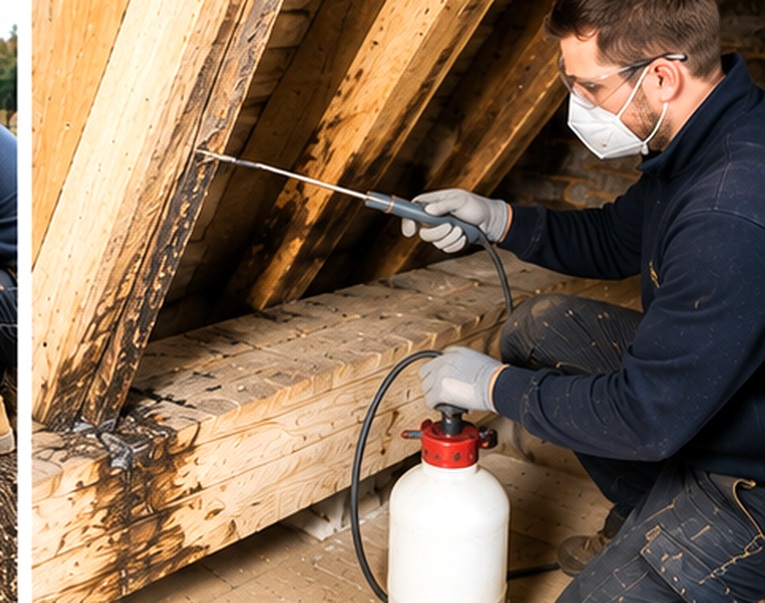
Wet rot and dry rot are two of the most serious forms of timber decay found in buildings. Although they are both caused by fungal growth, they behave differently and require different approaches to treatment. If left untreated, either type of rot can cause significant damage to timber within a property.
At MK Damp & Timber, we provide professional wet rot and dry rot treatment for properties throughout Milton Keynes, Watford and London. If you’ve noticed damaged, soft or crumbling timber, a musty smell, fungal growth or other signs of decay, it’s important to investigate the cause before the problem has an opportunity to spread.
What Is Wet Rot?
Wet rot occurs when timber remains damp for an extended period. Leaking pipes, defective gutters, damaged roofs, penetrating damp and poor ventilation can all create the conditions in which wet rot develops.
Unlike dry rot, wet rot generally remains close to the source of moisture. However, that doesn’t mean it should be ignored. Prolonged exposure to moisture can seriously weaken timber and, where structural timbers are affected, may compromise floors, roofs and other parts of the building.
Treatment involves identifying and dealing with the source of moisture first. Once the cause has been addressed, affected timber can be assessed and appropriate repairs or treatment carried out. Where timber has lost its structural integrity, replacement may be necessary.
What Is Dry Rot?
Dry rot is caused by a particular wood-destroying fungus and can be considerably more invasive than wet rot. Despite its name, dry rot still requires moisture to become established. Once conditions are suitable, however, the fungus can spread through timber and, in some circumstances, across other building materials in search of new sources of moisture.
Signs of dry rot can include cracking or shrinking timber, a distinctive musty smell, fungal growth and characteristic strands or fruiting bodies. Timber affected by advanced dry rot can become dry, brittle and severely weakened.
Because dry rot can spread beyond the timber where it was first discovered, early identification is particularly important. The affected area needs to be properly assessed so that the extent of the problem and the source of the moisture can be established.
Our Approach to Rot Treatment
Successful treatment isn’t simply a case of removing damaged timber and applying a treatment product. The underlying moisture problem needs to be identified and addressed wherever possible.
We’ll assess the affected area and look for the source of the moisture that has allowed the decay to develop. This could involve a leaking roof or gutter, plumbing defect, penetrating damp, condensation or inadequate ventilation.
Depending on the circumstances, treatment may involve removing severely damaged timber, treating remaining sound timber, carrying out repairs and improving ventilation or other sources of moisture control. Where structural timber has been affected, we can also advise on appropriate structural repairs.
The aim is to deal with the cause as well as the decay, helping to reduce the risk of the problem returning.
Early Treatment Can Prevent Further Damage
Rot doesn’t always begin in an obvious place. Timber hidden beneath floors, around windows, inside roof structures or behind wall finishes can deteriorate without becoming immediately visible.
If you have discovered damaged timber or have concerns about possible wet or dry rot, don’t wait for the problem to become more extensive. Early investigation can make it easier to establish the cause and can potentially reduce the amount of timber and building fabric that needs to be repaired or replaced.
At MK Damp & Timber, we have experience dealing with timber decay in properties throughout Milton Keynes, Watford and London. If you’re concerned about wet rot, dry rot or damaged structural timber, contact us to discuss your property and arrange an assessment.